
Aging in Place Home Safety Assessments
Practical steps toward a safer, more comfortable home.
You want to stay in the home you love. Or perhaps you’re helping a parent think ahead. Knowing what needs attention—and where to start—can make those decisions easier.
Mosaic Senior Transitions helps older adults and their families identify potential hazards, understand their options, and create a practical plan for making everyday life at home safer.
What to Expect
1. We start with your priorities
We talk about your goals, routines, and any areas of concern. A family member or trusted support person is welcome to participate.
2. We walk through your home
Kristine, who holds a Senior Home Safety Specialist® designation through Age Safe® America will use a structured assessment to identify potential hazards and opportunities for improvement, explaining what she notices along the way.
3. You receive a clear report
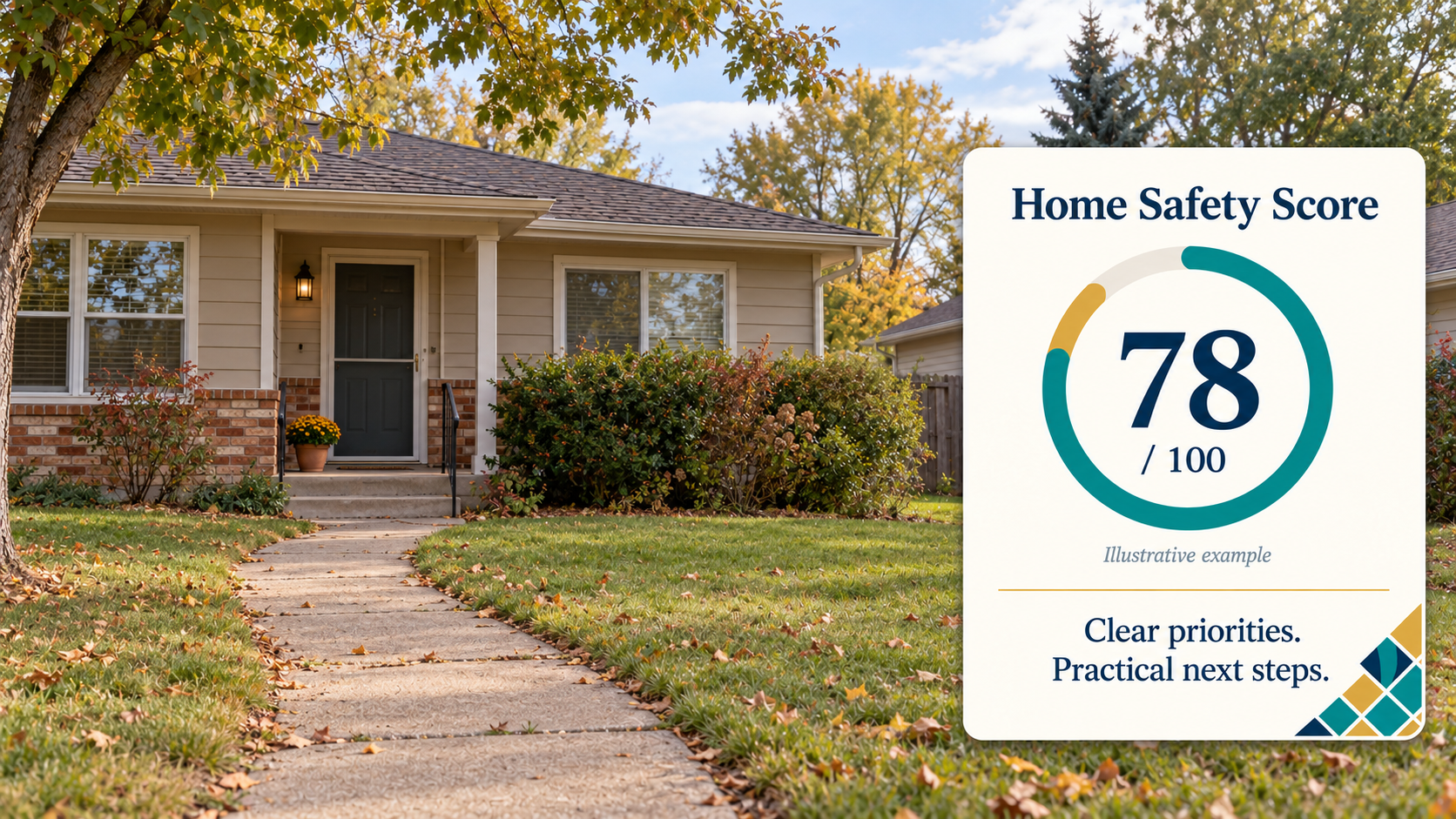
Your assessment includes an Age Safe® Home Score™ from 0 to 100, based on a structured, 240-point review of your home. A higher score reflects a safer home environment. The score is a starting point. Your report identifies areas of concern and prioritizes recommended improvements, helping you understand what needs attention first. It also shows how addressing identified hazards could improve your score. This isn’t about passing or failing your home. It’s about making informed choices that support your safety, comfort, and independence.
4. You choose your next steps
Kristine will review the findings with you so you can make informed decisions. Where appropriate, Mosaic Senior Transitions can help with organizing, clearing pathways, and making everyday items easier to access. Work requiring installation or specialized expertise belongs with the appropriate professional, and we can help with that too.
What We Look At
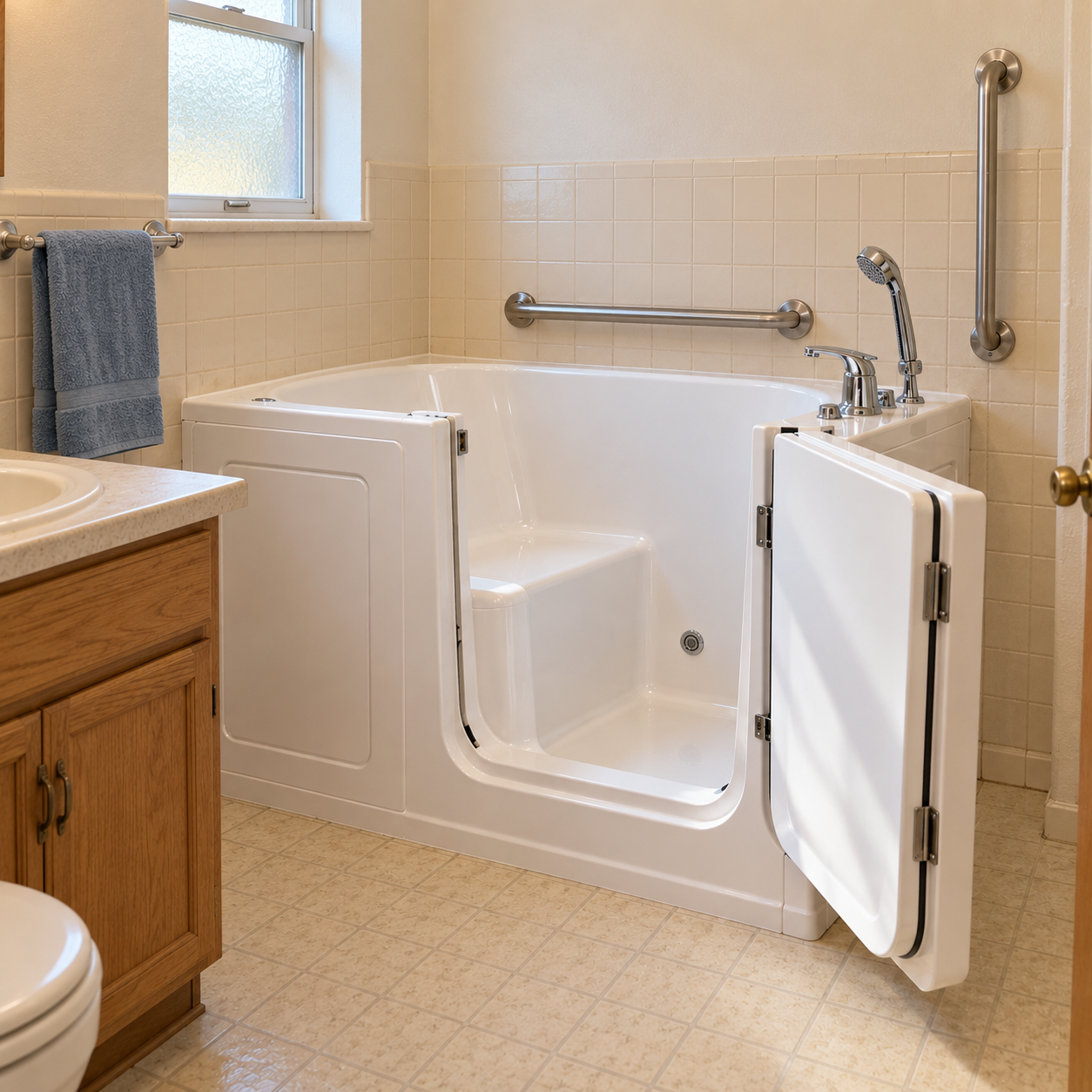
We review the home room by room, with attention to how you use it and what feels difficult or concerning.
Areas we consider include:
Entrances and walkways: access, steps, thresholds, and clear paths.
Bathrooms: bathing, getting up and down, slippery surfaces, and available support.
Stairs and hallways: handrails, visibility, obstacles, and lighting.
Kitchens and living spaces: reaching, storage, furniture placement, and everyday movement.
Bedrooms: getting in and out of bed and navigating nighttime routes.
General home safety: fall hazards, fire safety, and emergency preparedness.
Let’s make a practical plan for your home
You don’t have to figure everything out at once.
Start with a conversation about your home, your concerns, and what you’d like to make easier.